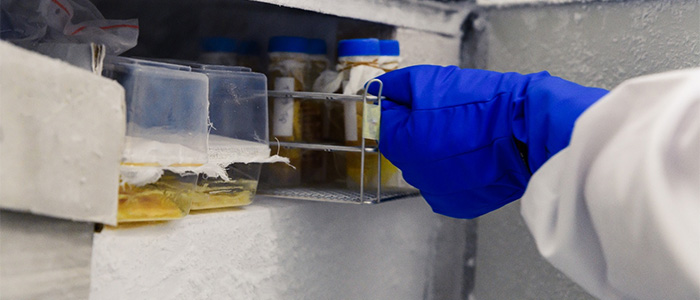
Science depends on ULT storage. At temperatures around -80°C, an ultra low temperature freezer empowers scientific research by storing cell cultures, drugs, tissue samples and more. But these freezers require specialized maintenance that easily gets neglected in the daily pace of scientific work. A failed seal, frost build up, or a dirty filter could mean ruined samples, lost time, and a lot of money wasted.
In the world of ULT freezer maintenance, small habits make a big difference. Well-maintained ULT freezers reduce energy use, extend compressor life, and lower the risk of breakdowns. The maintenance techniques in this article will keep your ULT cold storage systems running well, so that your laboratory can function at its peak.
Why ULT Freezer Maintenance Matters
ULT freezers work overtime to keep internal temperatures stable despite door openings and fluctuating ambient conditions. Unlike conventional freezers, ultra low temperature freezers require extra care due to the mechanical stress involved in maintaining a temperature of -80°C or below.
When and How to Defrost your ULT Freezer
Excessive frost buildup inside a ULT freezer is more than an aesthetic problem. It reduces airflow, impedes temperature uniformity, and strains the compressor. Most manufacturers recommend a manual defrost at least once or twice a year, depending on usage.
Here’s how to do it right:
- Schedule defrosts during planned downtime.
- Transfer samples to a backup cold storage unit beforehand.
- Allow the unit to reach room temperature before cleaning internal surfaces.
- Use gloves or a plastic scraper to remove frost and buildup—never sharp objects.
- A pan of warm water in the bottom of the chamber can safely accelerate defrosting
Monitor and Log Temperatures Daily
Even the most advanced ultra low freezer is only as reliable as the data you collect. Daily temperature checks—manual or automated—are essential for compliance. They also help you detect early signs of failure.
Consider performing your temperature checks with the following:
- Using NIST-traceable thermometers
- Installing digital data loggers or connecting to remote monitoring systems
- Keeping a log of temperature fluctuations, door openings, and maintenance activities
Modern ULT freezers often include touchscreen controls and integrated data logging. Touchscreens make it easier than ever to track temperatures and remain compliant. At ABS, we’ve integrated an intuitive touchscreen system into our ULTs for easy functionality and data tracking. Perform data logging functions with ease, and set user permissions if you have multiple users per unit.
Clean the Filters and Coils
Dirty condenser coils and filters are silent performance killers. Dust and debris restrict airflow, causing your ULT freezer to work harder and wear out faster.
Best practices for filter cleaning:
- Check filters monthly.
- Vacuum or replace filters as needed.
- Clean condenser coils at least twice a year (more frequently in dusty environments).
- Refer to your ULT user manual for specific cleaning instructions.
Check the Door Gaskets
A compromised door gasket is a gateway to frost buildup and energy loss. Inspect door seals regularly for cracks, brittleness, or improper sealing. A simple dollar-bill test—closing the door on a bill and checking for resistance—can indicate whether the seal is effective.
And yes, don’t slam the door. Sudden closures can damage latches or create internal pressure surges, potentially disturbing temperature balances and damaging seals.
Organize for Success
We get it—space is always at a premium in cold storage labs. But organization can help more than you think to efficiently maximize your storage space.
One of the biggest keys for successful organization is utilizing the right storage system. Racking and box systems will make all the difference in maximizing your freezer space and keeping your sample storage clean and compact. Take time to explore the best containers and racking systems for your freezer and the substances you store.
Another key to organization is sample mapping. The NIH recommends strategic loading and sample mapping to streamline access.1
Plan for Backup Power and Emergency Protocols
Even the best-maintained ultra low temperature freezer can’t overcome a power outage. Onboard battery backup maintains alarms and temperature logging, but cannot power cooling equipment.
A backup plan is vital:
- Connect ULT units to emergency power circuits.
- Connect to onboard alarm contacts or 4-20mA temperature output for remote notification when you’re away from the lab.
- Establish a documented sample transfer plan to other cold storage units if necessary.
Invest in Longevity
Proper maintenance protects your samples, money and time. Today’s ULT freezers represent the pinnacle of cold storage innovation, with advanced compressors, high-density insulation, and touchscreen controls. At ABS, we build ULTs designed to last. We integrate VSC compressors for energy efficiency and system longevity. We also utilize hydrocarbon refrigerants for lower energy consumption and sustainability. These features will reduce your lab’s energy use for years to come. But even the smartest tech needs a human touch. Protect your lab with a proactive maintenance routine to extend your freezer’s performance and life.