In honor of Native American Heritage Month, we have gathered together some of the most notable Native American figures who have greatly influenced the world of science, as well as the amazing technologies developed by Native American tribes. Thomas Scientific is deeply honored to highlight these Scientists and Innovations to learn more about the lasting impact of Native American Influence.
Listed below are some of the most innovative basic technologies that were developed on the American continent before the Columbian contact:
- Anesthetics & Topical Pain Relievers, such as Aspirin
- Syringes
- Pharmaceuticals
- Mouthwash
- Rubber
- Compulsory Education
- Oral Contraceptives
- Gold plating
Additionally, Native Americans have devised the foundations of modern agriculture and thereby transformed the eating processes for the entire world. Food crops such as potatoes, squash, and corn are not the result of random mutation, but from generations of careful study and cultivation by Native American tribes.
Finally, here are some of the most notable Native American figures who have greatly influenced the world of Science. Read below to learn more about their lasting impact and successes!
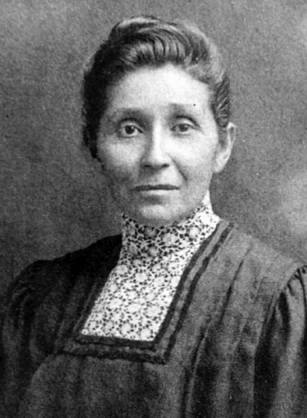
Susan La Flesche Picotte (1865-1915)
Physician - Omaha Nation
La Flesche Picotte was the first Native American to earn her medical degree. Susan studied at the Women's Medical College of Pennsylvania, where she graduated first in her class in 1889. Soon after graduating, Susan then returned to the Omaha Reservation, where she went on to treat thousands of people. She has also been credited with building the first private hospital on a Native American reservation.
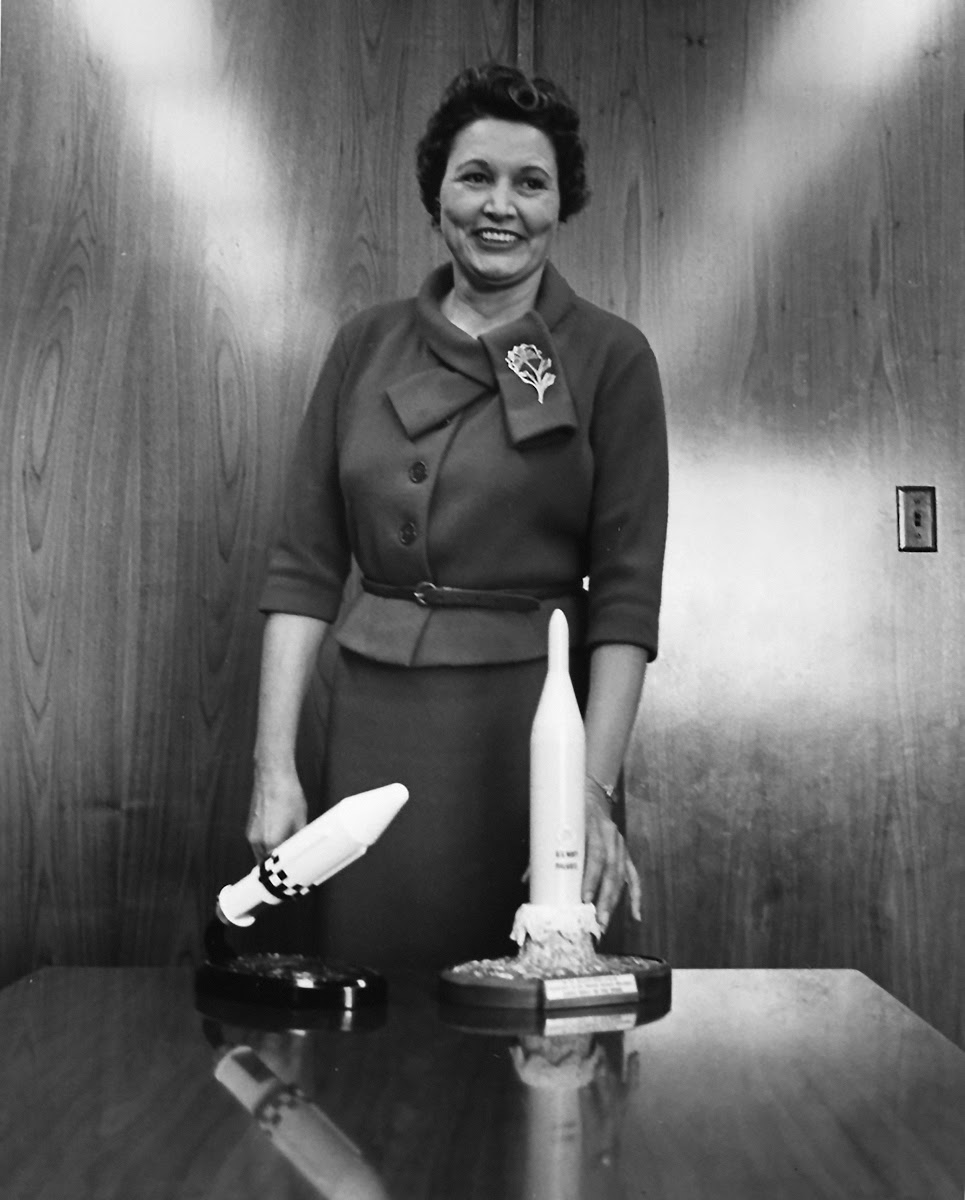
Mary G. Ross (1908-2008)
Engineer, Cherokee
Mary G. Ross is widely known as the first Native American engineer and the first female engineer to work for the company Lockheed. During her early education, Ross lived in the Cherokee Nation capital. Inspired to learn more about mathematics, Ross completed her Master's degree and was then hired by the company Lockheed in 1942. At the company, Ross was sent to UCLA to gain skills in aeronautic engineering. Further on while working her way up the male-dominate corporate ladder, Ross eventually began to work with NASA. She was an expert in military-like technology and also helped write NASA's Planetary Flight Handbook.
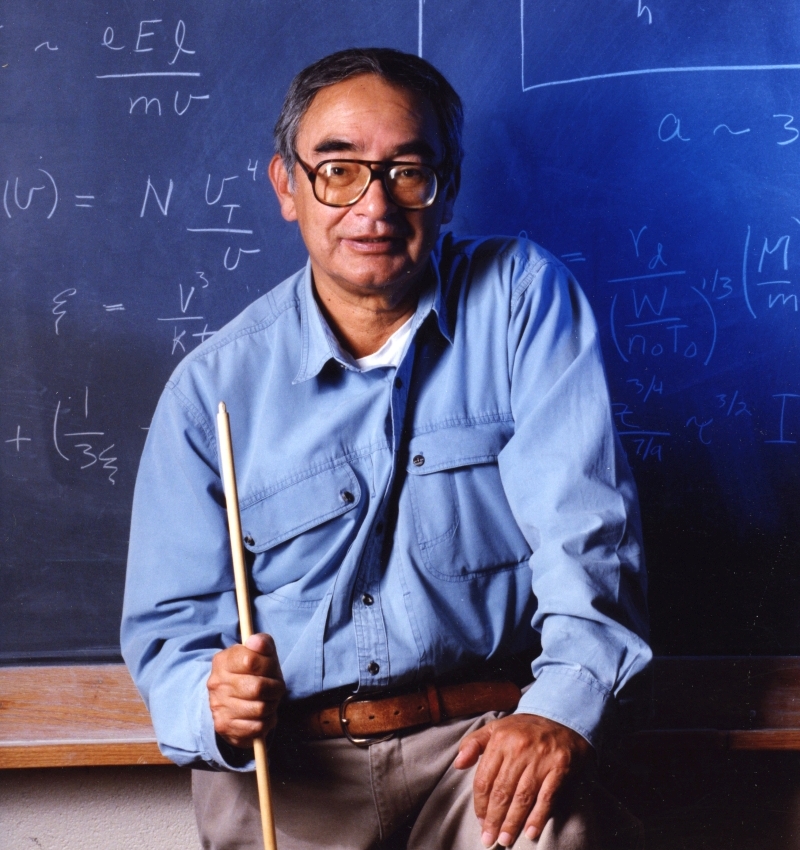
Fred Begay (1932-2013)
Nuclear Physicist, Navajo
Fred Begay was introduced to physics for the first time when he returned home from serving in the Korean War. When learning more, Begay noticed many parallels between modern scientific ideas and Navajo ideas of both religion and medicine. In an article posted in Physics Central, Begay admitted how the Native American culture inculcated an intuition of abstract ideas. When Begay learned about Einstein's theory of relativity and quantum mechanics, he saw that the abstract aspect of his culture had conferred an advantage. He then went on to become a member of the research staff of Los Alamos National Laboratory and studied thermonuclear fusion.
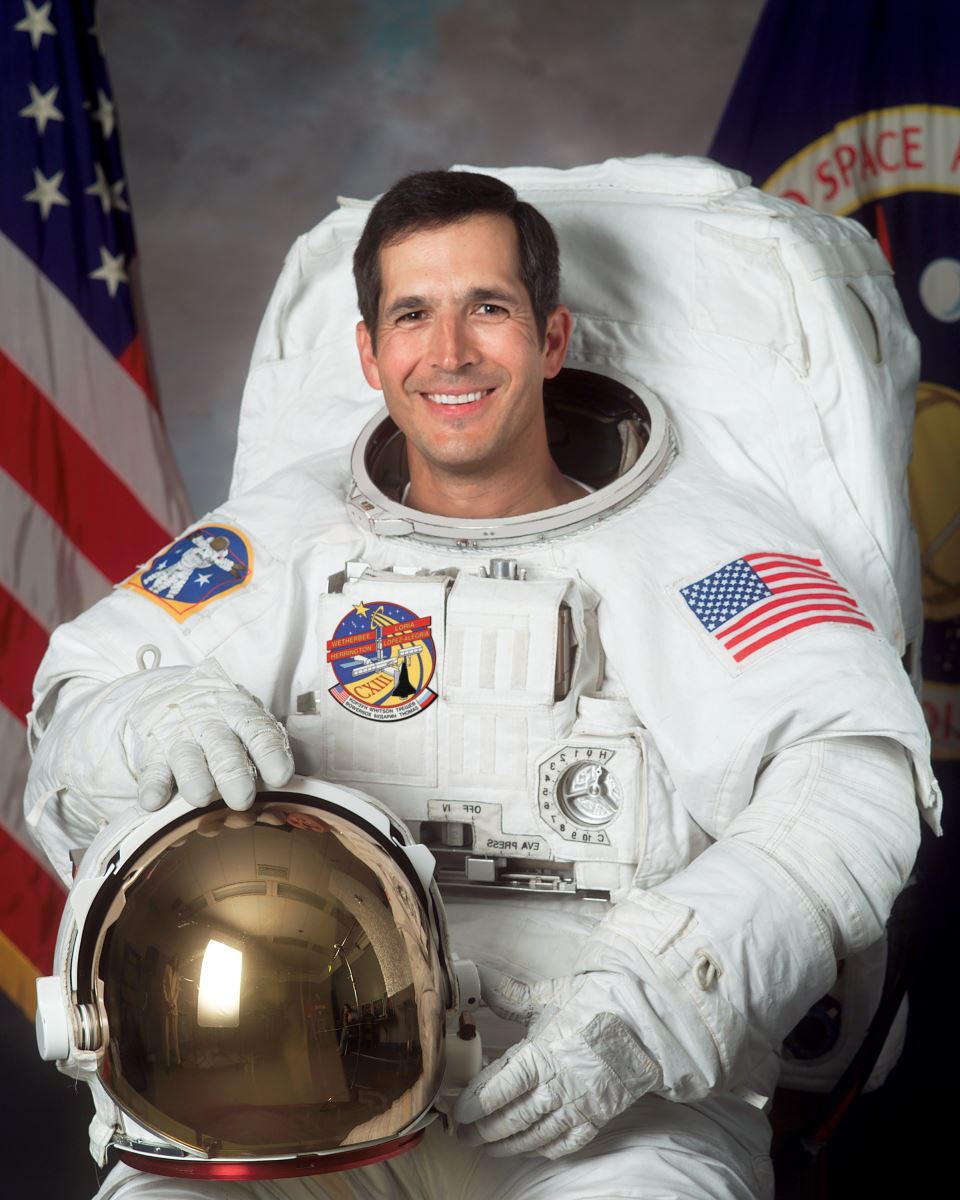
John Herrington (1958- Present)
NASA Astronaut, Chicksaw Nation
John Herrington is the first Native American person to go to space, his relationship with NASA began in 1996. Herrington was selected as a Mission Specialist for the 16th Shuttle mission to the International Space Station, where he completed three separate space walks. During his walks, John decided to honor his heritage by carrying six eagle feathers, a braid of sweet grass, and the Chickasaw Nation's flag.
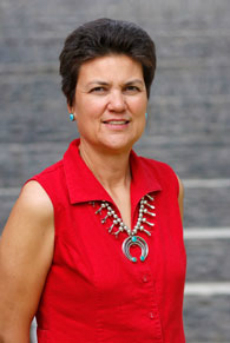
Jani Ingram (1962- Present)
Chemist, Navajo
Jani Ingram is a Professor of Chemistry & Biochemistry at Northern Arizona State University. Some of the many topics Ingram researches are the chemistry and health impacts of environmental pollutants (especially Uranium and Arsenic). Additionally, Jani Ingram leads the Bridging Arizona Native American to Bachelor Degrees program, as well as the Native American Cancer Prevention Program. She was awarded the 2018 American Chemical Society Award for encouraging disadvantaged students into Chemical Science Careers.